Rosin is pressed with heat and pressure, never a solvent
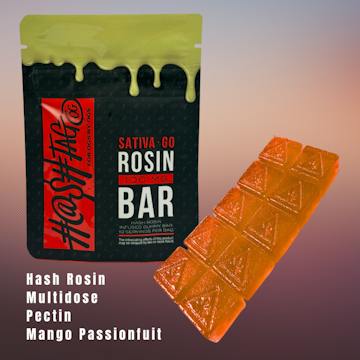
Rosin is made mechanically. A processor places starting material between two heated plates, applies pressure, and collects the resin that flows out onto parchment. The starting material can be whole flower, dry sift or kief, or ice-water hash that was washed and dried before pressing. Hash rosin, pressed from ice-water hash that processors sometimes grade as six-star or full melt, is generally the most refined version, because the trichome heads were already separated from plant material before the press ever touched them.
Temperature and time are the two levers. Lower plate temperatures held longer tend to produce a thicker, more stable output; higher temperatures increase yield but push more plant fats and chlorophyll through with the resin. After the press, many producers cold cure the rosin in a sealed jar at low temperature, which shifts the texture from a glassy sap toward a whipped batter or budder over several days.
Because there is no solvent step, rosin cannot be stripped or refined after the fact the way a hydrocarbon extract can. The quality ceiling is set almost entirely by the input. Poor flower makes poor rosin, which is why premium rosin is often washed from fresh material rather than pressed straight from cured buds.
Live resin begins with fresh-frozen flower and a hydrocarbon solvent
Live resin starts at harvest. The plants are cut and frozen within hours, skipping the drying and curing that most cannabis goes through. That frozen material then goes into a closed-loop extraction system where butane, propane, or a blend of the two dissolves the resin off the plant. The solution is filtered, the solvent is recovered, and the remaining extract goes into a vacuum oven so residual solvent is purged before packaging.
The word live refers to the starting material, not the solvent. A hydrocarbon extract made from dried and cured flower is still a solvent-based concentrate, but it is not live resin. That distinction matters when you are reading labels, because plenty of products use the words resin or cured resin without being fresh-frozen.
In New Jersey, solvent extraction happens at licensed manufacturing facilities under state rules, and finished concentrates are tested before they reach a retail shelf. Live resin listed on the One Green Leaf menu reaches Gibbsboro through that same regulated, tested supply chain.
Texture and format are the fastest way to tell them apart on a menu
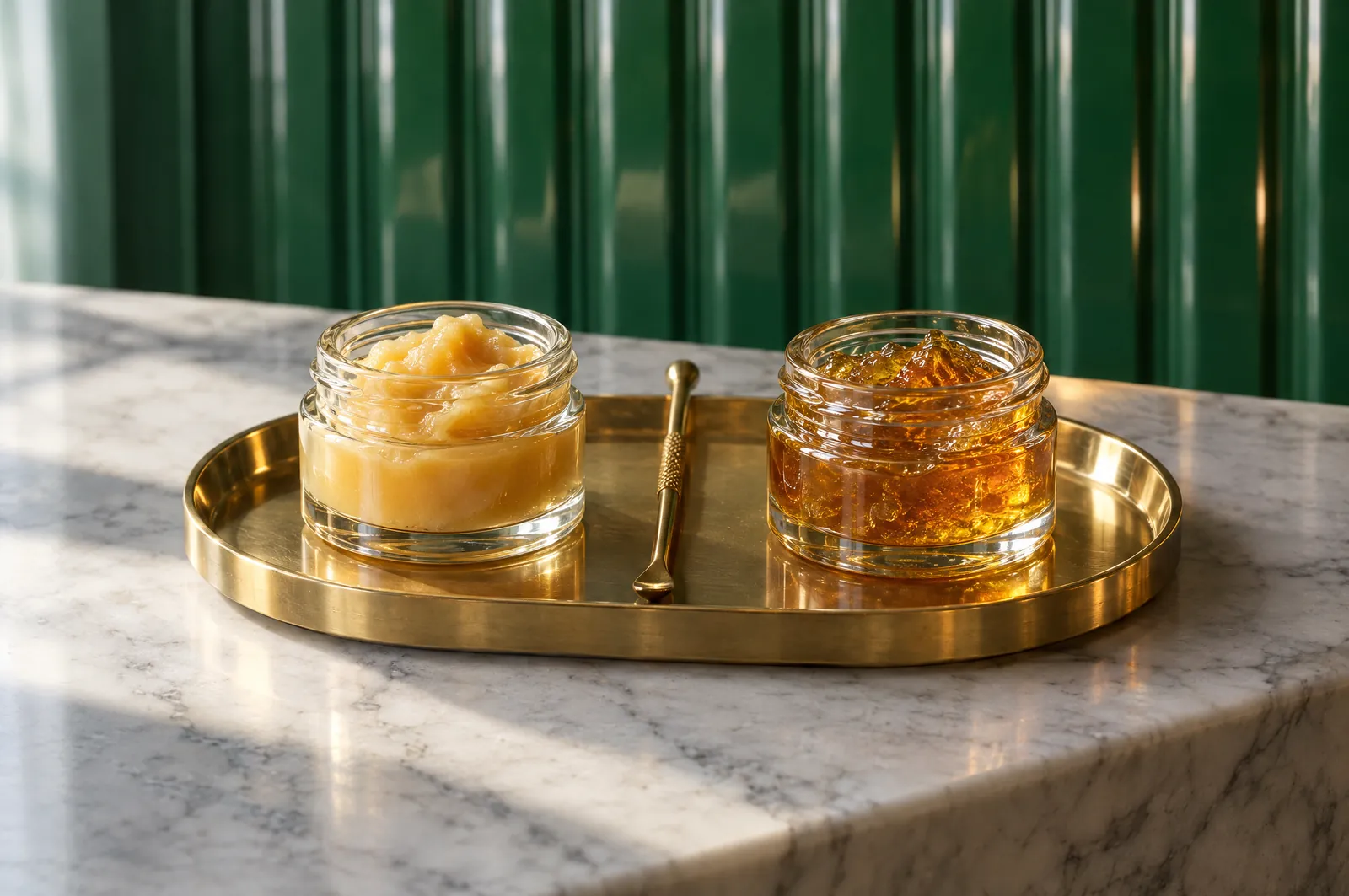
Rosin usually shows up as badder, batter, budder, or a fresh-pressed sap. Cold-cured rosin tends to be opaque and whipped, with a consistency somewhere between cake frosting and thick honey. It is rarely stable enough to sell as shatter, and it is almost never separated into large crystal formations, because the mechanical process does not isolate compounds the way a solvent does.
Live resin covers a wider format range. You will see sauce with visible crystalline formations sitting in a terpene-rich liquid, diamonds sold with a separate sauce portion, sugar, badder, and sometimes shatter. Live resin also appears frequently in vape hardware, where a cart or disposable is labeled live resin to indicate what filled it. Rosin carts exist too, and they are labeled rosin or live rosin.
If you already own a dab pen or other compatible hardware, the format matters for handling. Loose, wet sauce behaves differently from a firm cold-cure batter, and some formats are easier to portion than others. Product pages on the live menu list the format for each item so you can match it to whatever hardware you already have.
Aroma and terpene character trace back to the starting material
Terpenes are the volatile aromatic compounds responsible for how a cannabis product smells. Researchers have observed that many of the lighter monoterpenes are lost during drying and curing, since those compounds evaporate readily at room temperature. Freezing the plant immediately is the reason live resin is associated with a bright, sharp aroma that reads closer to the standing plant than a cured extract does.
Rosin pressed from cured flower carries the aroma profile of that cured flower, which is often described as deeper and rounder rather than sharp. Live rosin sits between the two: it uses fresh-frozen material like live resin, but keeps rosin's solventless method, so the aroma comes from fresh input without any solvent stage.
Aroma is a product attribute, not a performance claim. Two people can smell the same jar and describe it differently, and lab-reported terpene percentages do not always match what your nose reports. Treat aroma as one factor among several when comparing options rather than a ranking system.
Price posture reflects yield, labor and input quality
Solventless production is generally the more expensive path per gram of finished product. Washing hash is labor-intensive, batches are small, and a meaningful share of the starting material never makes it into the final jar. Producers also tend to reserve their best flower for solventless runs, because the method cannot compensate for weak input. Those factors push hash rosin toward the higher end of most concentrates menus.
Hydrocarbon extraction scales more efficiently. A closed-loop system can process large volumes of fresh-frozen material at once and recover more of the available resin, which is part of why live resin is usually the more accessible price tier and why it appears so widely in the vape category. That is a production economics difference, not a statement about which product is better made.
Actual pricing at One Green Leaf changes with each batch and brand, so the live Dutchie menu is the only accurate reference. Check current listings rather than relying on any figure published in an article.
How to compare rosin and live resin at One Green Leaf
Both sit in the concentrates category on the live menu, alongside flower, vapes and carts, edibles, pre-rolls, and wellness products such as tinctures and topicals. Read the product name first: rosin, hash rosin and live rosin are solventless, while live resin, cured resin and extracts carrying a solvent designation are solvent-based. Staff at the Gibbsboro store can walk you through what is on the shelf that day.
One Green Leaf is a licensed adult-use dispensary in Gibbsboro, Camden County, about 30 minutes from Philadelphia, operating under New Jersey CRC license RE000846. You must be 21 or older with a valid government photo ID, and no medical card is required. You can shop in store, use the drive-thru, or reserve ahead for pickup, every day from 9 AM to 9 PM.
Neither category outranks the other. Rosin suits a shopper who wants a solventless process and a small-batch product, and who is comfortable paying more for that. Live resin suits a shopper who wants fresh-frozen aroma character, a wider range of formats and hardware options, and broader availability across price tiers. The honest answer is that they are two different production philosophies aimed at the same category.
New Jersey adult-use cannabis is restricted to consumers 21 and older, and licensed retailers verify a valid government-issued photo ID before any sale.