A cannabis tincture is a liquid extract you measure with a dropper
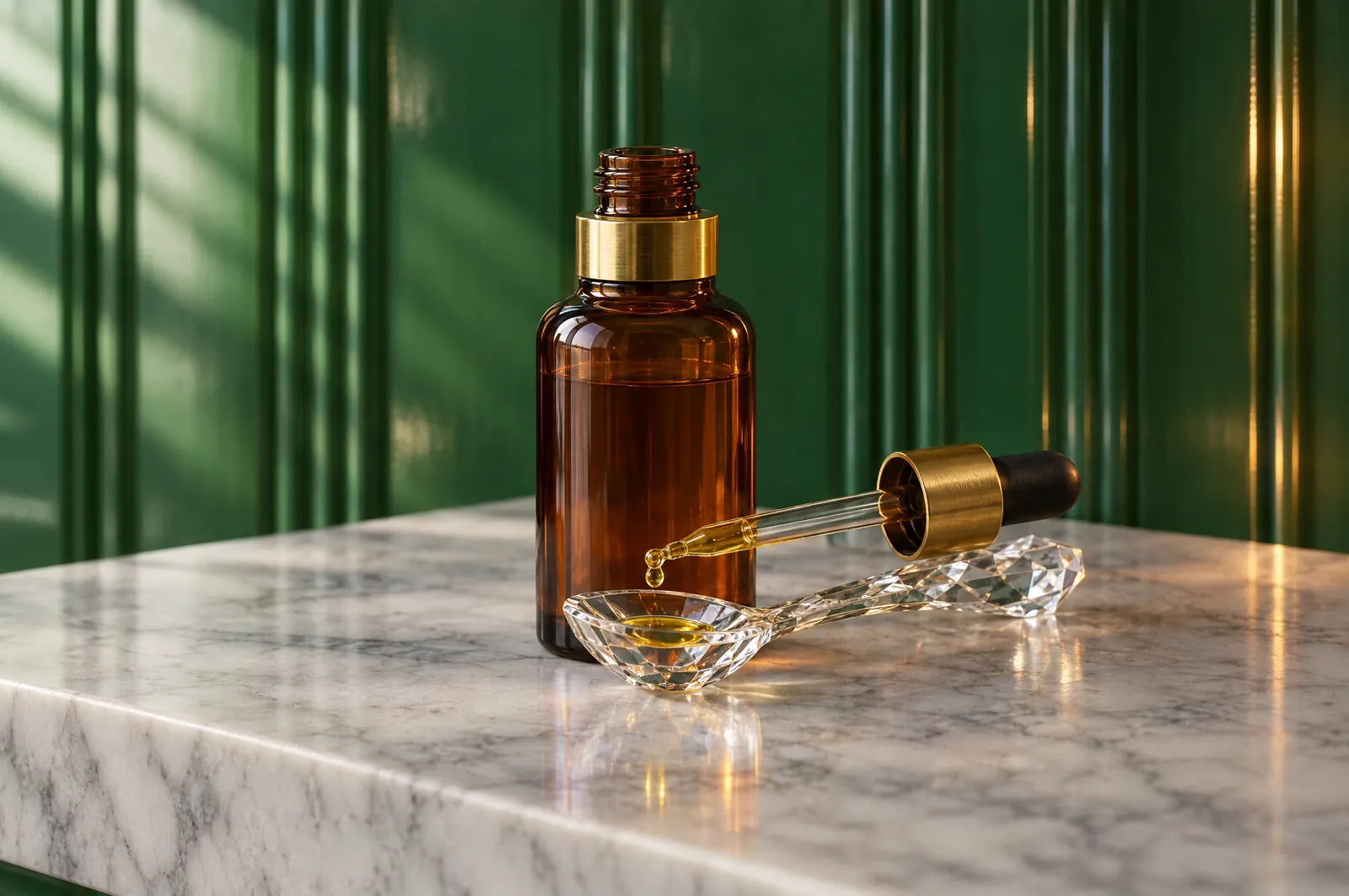
A cannabis tincture is a concentrated liquid cannabis extract, usually sold in a small glass bottle with a dropper cap. The dropper is often marked in milliliters so you can measure the same serving each time. Inside, cannabinoids such as THC and CBD are dissolved in a carrier liquid rather than packed into a food or into flower.
The carrier is what the extract is mixed into. Classic tinctures use alcohol as the solvent, which is where the word tincture comes from. Many cannabis tinctures sold today use an oil base instead, most often MCT oil made from coconut, and some use vegetable glycerin. The base changes the taste and mouthfeel, but the numbers most shoppers compare are the total cannabinoid content and the THC to CBD ratio.
Because you control the amount drop by drop, a tincture is often described as a measured, low-key format with no smoke and no vapor. That makes it straightforward to keep servings consistent and to take a small amount when you want one. The sections below cover how people use tinctures and how the timing compares to other formats.
Sublingual use and adding a tincture to food work differently
There are two common ways to use a tincture. The first is sublingual, which means under the tongue. You draw your serving into the dropper, place the liquid under your tongue, and hold it there for roughly 30 to 60 seconds before swallowing. Holding it gives some of the cannabinoids a chance to absorb through the thin tissue in your mouth.
The second way is to add the tincture to food or a drink. You can stir a serving into a beverage such as tea, coffee, or juice, or mix it into something you are eating. Once you swallow it this way, it moves through your digestive system, so it behaves much like an edible. Oil-based tinctures blend more easily into fatty or warm foods, while alcohol and glycerin bases mix readily into liquids.
Both approaches are valid, and the one you pick mainly affects flavor and timing. Some tinctures are unflavored, and others come in flavors that are easier to take on their own. If the taste of a plain tincture is strong for you, mixing it into a drink is a simple way to soften it.
Tinctures sit between inhaling and edibles on onset timing
Onset is the time between taking cannabis and starting to feel it, and it changes a lot by format. Inhaling flower or vapor tends to be felt within a few minutes. Swallowed products such as gummies and other edibles are processed through the digestive system and the liver first, so they commonly take longer, often somewhere between 30 minutes and 2 hours.
A tincture can land in between, depending on how you use it. Held under the tongue, some of the cannabinoids may absorb through the tissue in your mouth, and many people report feeling a sublingual serving within roughly 15 to 45 minutes. Individual results vary with body chemistry, whether you have eaten, and the specific product, so consider any range a general guide rather than a fixed rule.
When you add a tincture to food or a drink instead, it is digested like an edible and the slower timing applies. Because swallowed cannabis can take a while to be felt, responsible-use guidance advises starting with a low amount and waiting before taking more, so you do not stack servings before the first has set in. Starting low and waiting is the safest way to get to know any new product.
A tincture label tells you potency, ratio, and base
A tincture label carries the numbers you need to compare products. Look first for the total cannabinoid content, usually shown as total milligrams of THC, and sometimes CBD, in the whole bottle. Then look for the per-serving amount, which may be listed as milligrams per milliliter or per full dropper. Together these tell you how strong each measured serving is.
Many tinctures also list a ratio, such as 1 to 1 or 20 to 1, comparing CBD to THC. A ratio with more THC contains more of the intoxicating cannabinoid per serving, while a higher-CBD ratio contains proportionally less THC. CBD on its own is not intoxicating. The ratio is a description of what is in the bottle, so match it to the kind of product you are looking for.
The label should also name the base, such as MCT oil or alcohol, along with batch and lab testing details and an expiration or best-by date. New Jersey products carry a universal cannabis symbol and license information as well. If the label terms are new to you, our how to read a cannabis label article breaks the panel down field by field.
Tinctures are part of the wellness category at One Green Leaf
At One Green Leaf, tinctures live in the wellness category, next to topicals such as balms and creams. The full menu also includes flower, vapes and carts, edibles, pre-rolls, and concentrates, so a tincture is one of several ways to buy cannabis under the same roof. Grouping tinctures and topicals under wellness reflects that these are smoke-free formats.
Shoppers often choose a tincture for practical reasons. It is measured by the dropper, it does not involve smoke or vapor, and the small bottle is easy to carry and store. Some people keep a tincture as a discreet, low-key option, and others like being able to add it to a drink. These are format preferences, not promises about how any product will affect you.
Because the Dutchie menu updates in real time, the tinctures in stock, along with their ratios and potencies, change with inventory. Rather than quoting a price or a specific product here, we point you to the live menu so you always see what is actually available. Staff in Gibbsboro can also walk you through the current wellness selection in person.
How to shop for a tincture at One Green Leaf in Gibbsboro
One Green Leaf is a licensed adult-use dispensary in Gibbsboro, New Jersey, in Camden County and about 30 minutes from Philadelphia. It operates under New Jersey CRC license RE000846 and is open every day from 9 AM to 9 PM. To shop, you need to be 21 or older and bring a valid government photo ID. No medical card is required.
There are three ways to get your order. You can browse and buy in store, pull up to the drive-thru for pickup, or reserve ahead online and collect your order. Checking the live menu before you arrive is the quickest way to see the current tincture selection and confirm what is in stock that day.
If you shop often, the free High Society Rewards program is tiered by points, and members redeem $3 to $5 off per reward increment as they move up through the Lifted, Higher, and Cloud Nine tiers. You can ask a staff member to sign you up. When you are ready, open the live Dutchie menu to see the wellness category and the tinctures available now.
The New Jersey Cannabis Regulatory Commission publishes the state's official consumer information on legal adult-use cannabis, including responsible-use guidance and product safety requirements.