Topicals Are Cannabis Products Made for the Outside of the Skin
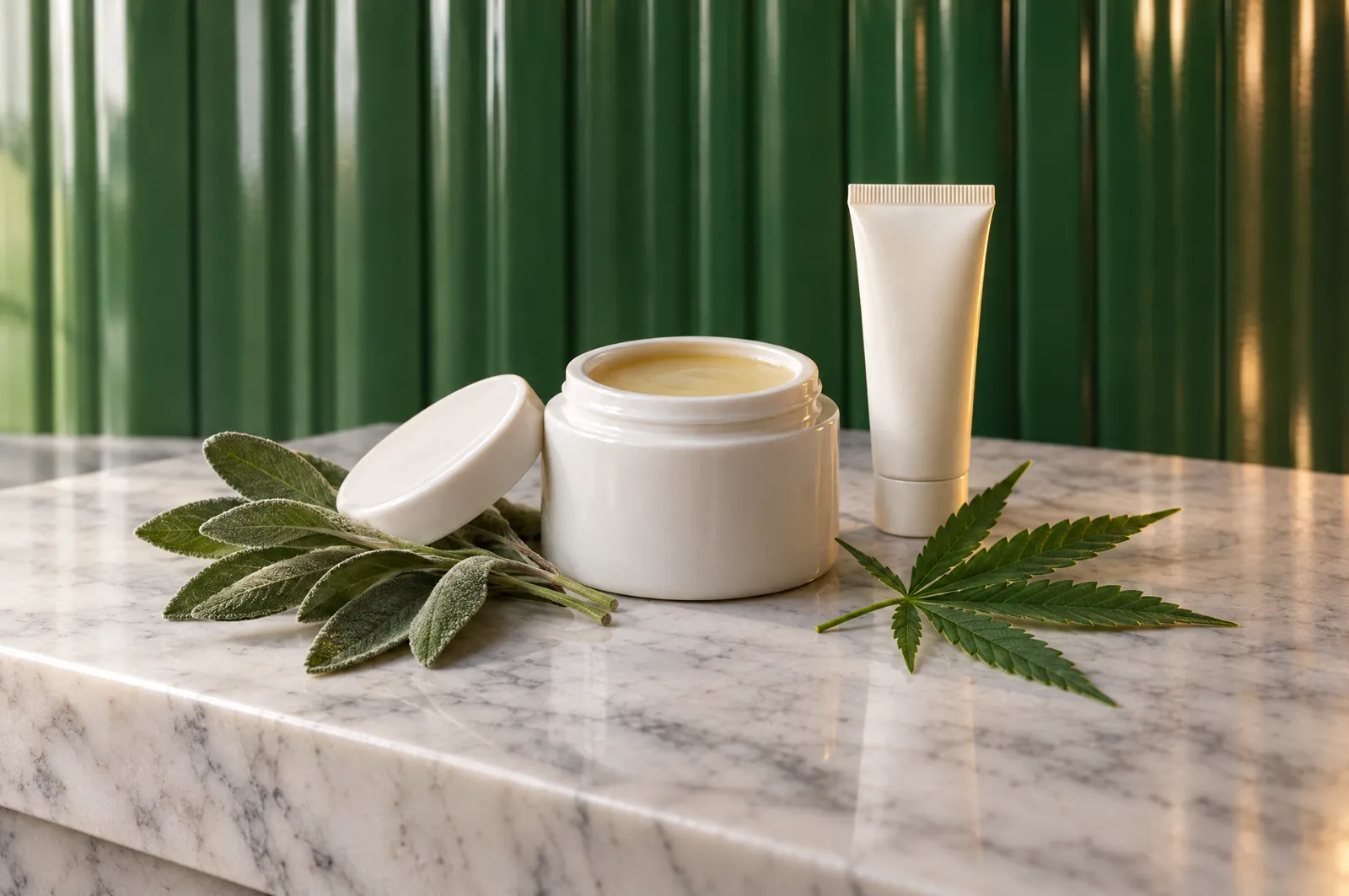
A topical is defined by how it is applied. Flower, pre-rolls, vapes and concentrates are inhaled. Edibles and most tinctures are taken by mouth. A topical goes on the skin and stays there, which is why it is packaged like a personal care item, in a tube, jar, tin, pump bottle, stick or adhesive patch rather than a sealed pouch or a cartridge.
Manufacturers build topicals the way cosmetic chemists build any skin product. A base, called a vehicle, is created from ingredients such as carrier oils, beeswax, shea butter, cocoa butter, glycerin or a water and oil emulsion. A cannabis extract is blended into that base at a measured rate, and the finished batch is filled, sealed and labeled. Some formulas also include common cosmetic ingredients such as menthol, camphor, aloe or botanical essential oils, all of which show up on the ingredient panel.
In New Jersey, topicals sold at an adult-use dispensary go through the same regulated supply chain as every other cannabis item. They are produced by a licensed manufacturer, tested by a licensed laboratory and sold in compliant, labeled packaging. Because these are recreational products, dispensary staff describe format, texture and cannabinoid content, and they do not give medical guidance or make claims about outcomes.
Creams, Balms, Lotions, Salves and Roll-Ons Differ Mainly in Texture and Base
Lotions and creams are emulsions, meaning water and oil are blended together with an emulsifier. They are the lightest formats in the category, spread thin over a wide area, and sink into the surface of the skin quickly without much residue. They usually arrive in a pump bottle or squeeze tube, and they tend to be the largest containers on a menu by volume.
Balms, salves and ointments skip the water. They are built from oils and waxes, which makes them thicker, more occlusive and slower to spread. A balm typically comes in a screw-top tin or a push-up stick, and a little covers a small area. Salve and ointment are close cousins to balm, with ointment generally being the greasiest of the three. Shoppers who want a small-area application usually gravitate toward these formats.
Roll-ons, sticks and sprays are applicators built around one of the bases above, designed so you never touch the product with your hands. Transdermal patches are the outlier in the category. A patch is an adhesive designed for extended skin contact, and manufacturers describe and label patches as a different formulation from a surface product rather than a variation on a cream. If a product is labeled transdermal, read its label carefully and treat it as its own format.
Cannabinoid Content on a Topical Label Is Stated in Milligrams
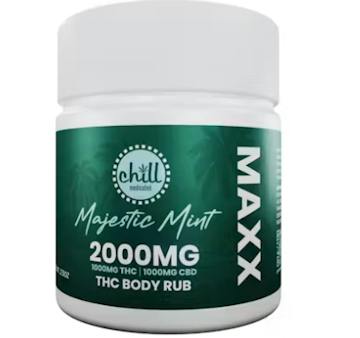
Topicals are not labeled by strain or by percentage the way flower is. The front panel typically states total THC and total CBD in milligrams for the whole container, for example 100 mg THC per 2 oz jar. Some brands also print a per-pump or per-gram figure, and many use a ratio format such as 1:1 THC to CBD or 1:3, which tells you the proportion of the two cannabinoids rather than the amount.
To compare two products fairly, read the milligram figure together with the container size. A 200 mg tube that holds 4 oz and a 100 mg tin that holds 1 oz carry different cannabinoid concentrations per gram of product, even though the larger number is on the bigger package. Concentration per unit, not the headline number, is what makes two topicals comparable.
The rest of the label carries the compliance information required in New Jersey: the manufacturer name and license number, the batch or lot identifier, the packaging or testing date, laboratory testing details, the full ingredient list and state mandated warnings. The ingredient list matters if you have a known sensitivity to something like tree nut oils, lanolin, fragrance or menthol, since those appear in plenty of cosmetic bases.
Topicals Sit in a Separate Menu Category From Inhaled and Ingested Products
On a Dutchie menu, topicals are filtered separately from flower, vapes, edibles, pre-rolls and concentrates. Product cards for topicals lead with format and cannabinoid totals rather than strain lineage or terpene profiles, though some brands do note the cultivar or extract type their oil came from. Sorting and filtering by cannabinoid ratio, container size and format is usually more useful here than sorting by strain name.
Topicals also need no additional equipment. There is nothing to grind, load, charge or refill, which is one reason they read as a simpler purchase on a menu than a vape or a concentrate. The wellness listing is the finished topical itself, so what you add to the cart is the product, not hardware.
New Jersey sets purchase limits by product type, and how a given item counts depends on its category and format. If you are unsure how a specific topical counts toward the limit on your order, ask at the counter before you check out.
Topicals Live in the Wellness Category at One Green Leaf in Gibbsboro
One Green Leaf carries flower, vapes and carts, edibles, pre-rolls, concentrates and wellness. Wellness is where tinctures and topicals live, so that is the filter to use when you are looking for creams, balms, lotions, salves or roll-ons. The menu is a live Dutchie menu that updates in real time, so it is the only accurate source for what is listed right now, in which formats and at what cannabinoid totals.
One Green Leaf is a licensed adult-use dispensary in Gibbsboro, New Jersey, in Camden County, about 30 minutes from Philadelphia, operating under NJ CRC license RE000846. The store is open every day from 9 AM to 9 PM. You must be 21 or older with a valid government photo ID, and no medical card is required. You can shop in store, use the drive-thru and reserve ahead for pickup.
Format, Label and Storage Are the Three Things to Check Before Buying
Start with format. Decide whether you want something light and spreadable over a wide area, which points to a lotion or cream, or something thick and applied to a small area, which points to a balm, salve or stick. That single decision narrows the wellness menu faster than any other filter.
Then read the label twice. Confirm the total milligrams of THC and CBD, note the container size so you understand the concentration, check the ratio if the brand lists one, and scan the ingredient list for anything you avoid on your skin. Confirm the product says it is for external use, and note whether it is a standard topical or a transdermal patch, because the two are formulated differently.
Finally, store and handle it the way the packaging directs. Keep cannabis products in their original child-resistant packaging, out of reach of children and pets, and away from heat that can soften a wax based balm. If you have questions about a specific product, the team at the Gibbsboro store can talk you through format, ingredients and labeling, and any health question belongs with a licensed healthcare professional.
New Jersey's adult-use cannabis rules require every cannabis item sold at retail, topicals included, to be produced by a licensed manufacturer, laboratory tested, and sold in labeled, child-resistant packaging.