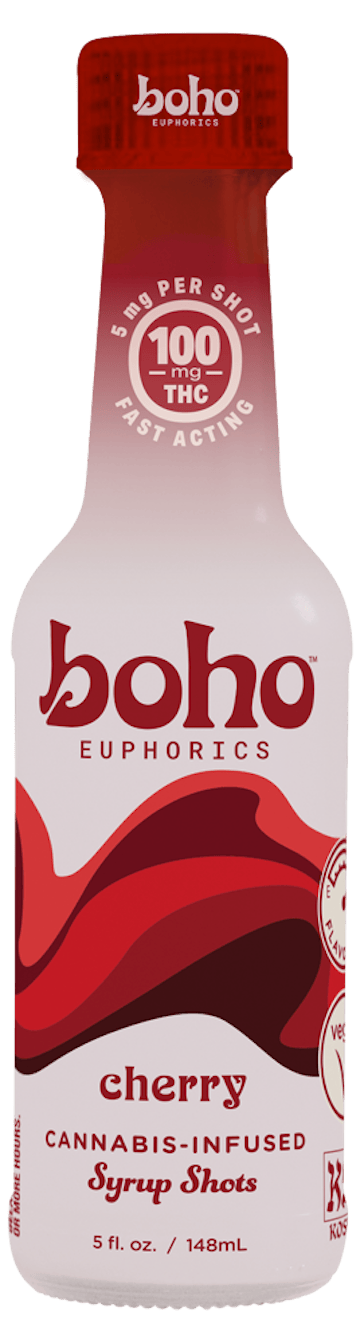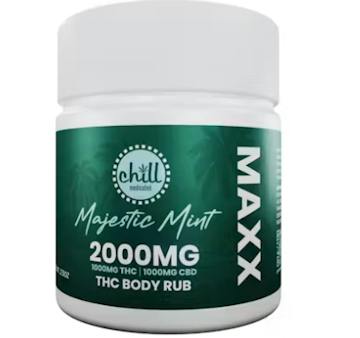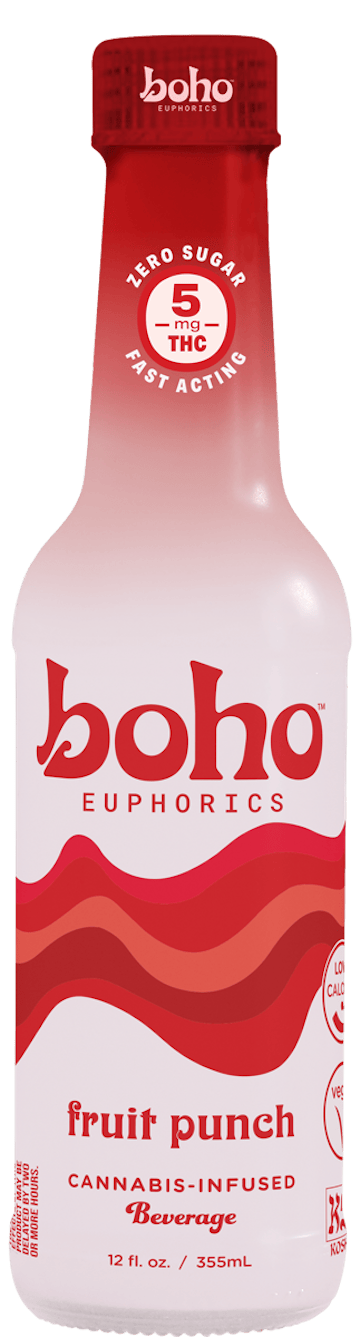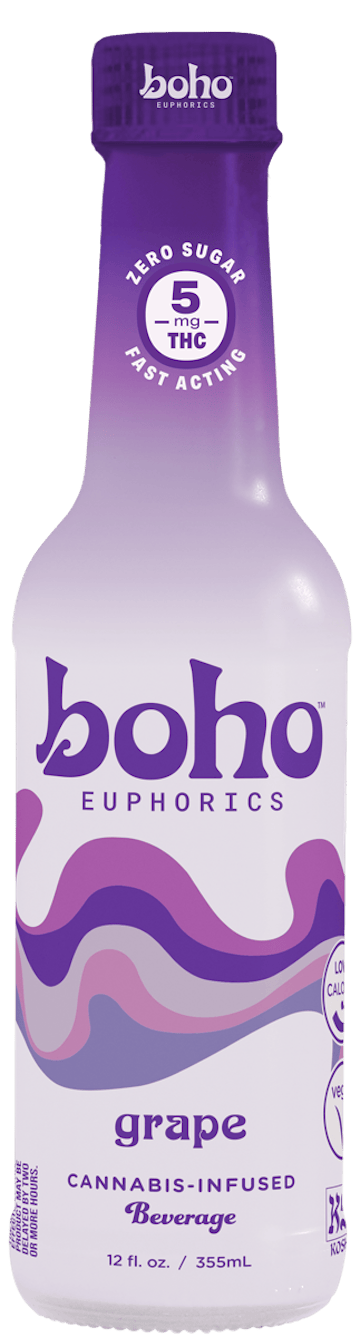
THC and CBD are the two cannabinoids you will see most on a menu
Cannabinoids are the active chemical compounds the cannabis plant produces, and researchers have identified more than a hundred of them. Two show up far more often than the rest on product labels: THC, short for tetrahydrocannabinol, and CBD, short for cannabidiol. When you scan a menu at One Green Leaf, these are the two figures listed for nearly every flower, vape, edible, and concentrate.
Both cannabinoids interact with the endocannabinoid system, a network of receptors found throughout the human body that researchers are still working to fully map. THC and CBD influence that system in different ways, which is the simplest explanation for why one is intoxicating and the other is not. The plant makes both, but the amount of each varies widely from one cultivar to the next.
New Jersey sells only lab-tested cannabis through licensed dispensaries, so the THC content, and usually the CBD content, is printed on every product label. Those numbers come from an independent lab rather than the store, which is why they stay consistent from product to product. That is why you will always see at least a THC figure before you buy anything at One Green Leaf.
THC is the cannabinoid that makes a product intoxicating
THC is the compound responsible for the high that most people have in mind when they think of cannabis. It is intoxicating, which means it temporarily alters perception, mood, and coordination. People commonly describe the effect in neutral terms such as euphoria, relaxation, talkativeness, or a heightened response to music, taste, and color, though the experience differs from person to person and from product to product.
The THC in fresh cannabis actually starts as THCA, an acidic form that is not intoxicating on its own. Heating it through smoking, vaping, or cooking converts THCA into active THC, a process called decarboxylation. This is why a lab label may list both THCA and a separate total THC figure, which estimates how much active THC the product can deliver once it is heated.
Because THC is the intoxicating cannabinoid, it is the reason cannabis is limited to adults. At One Green Leaf you must be 21 or older with a valid government photo ID to buy any THC product, and no medical card is required. That rule applies whether you shop in the store, use the drive-thru, or reserve ahead for pickup.
CBD is non-intoxicating and does not create a high on its own
CBD is the other cannabinoid you will see most often, and its defining trait is that it is non-intoxicating. On its own, CBD does not produce the high, the impairment, or the altered perception that THC does. That single difference is the most important thing to understand when you compare the two, and it is why the compounds are used and labeled so differently.
Some shoppers look for CBD-forward or balanced products specifically because they want less of the intoxicating effect that comes with THC, not more of it. Framing it that way keeps the focus where it belongs, on the level of intoxication, rather than on any promise about how a product will make you feel. Preferences here are personal, and there is no single right choice.
Researchers are still studying how CBD and THC behave when they are used together, including whether CBD changes the way THC feels, and those findings are not settled. For now the clearest takeaway is simple: THC is what makes a product intoxicating, and CBD on its own does not. Keeping that distinction in mind is enough to make sense of almost any label you will read.
Labels list cannabinoids as percentages, milligrams, and ratios
For flower and concentrates, THC and CBD are listed as a percentage of dry weight. A flower that tests at 22% THC contains about 220 milligrams of THC per gram. A higher percentage means more THC by weight, but it does not automatically make a product the right one for you, since the overall experience also depends on terpenes and how you consume it.
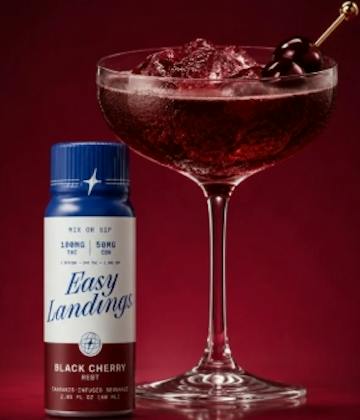
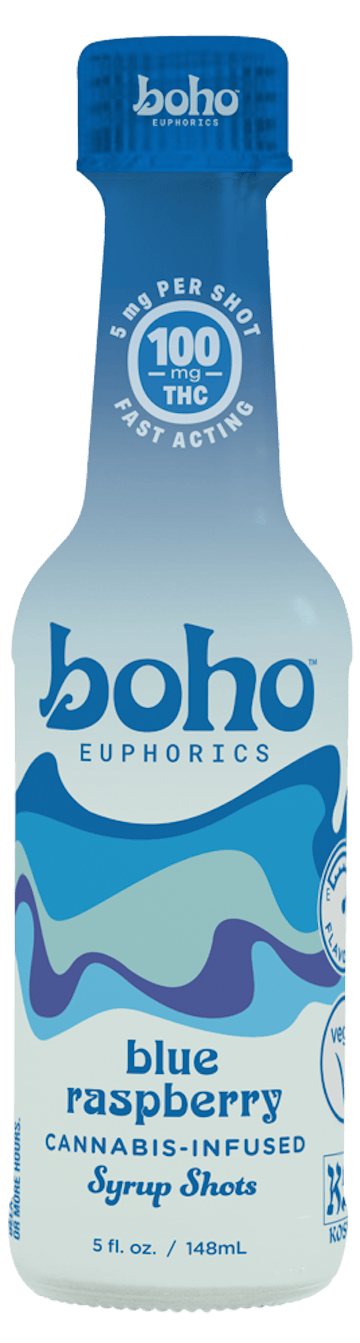
Edibles, tinctures, and other measured products are labeled in milligrams instead, usually per serving and per package. A package might read 100 milligrams total across ten 10-milligram pieces, which makes it easier to keep track of how much THC or CBD you are taking. Reading the per-serving number first is the clearest way to compare two edibles.
Ratios describe how much CBD there is relative to THC, written as CBD to THC. A 1:1 ratio is balanced, a 2:1 leans toward CBD, and a 20:1 is strongly CBD-dominant with only a little THC. The higher the CBD side of the ratio, the less intoxicating the product tends to be, which is the main reason ratios appear on the label at all.
Both cannabinoids appear across every category at One Green Leaf
You will find THC and CBD represented across the menu at One Green Leaf, which carries flower, vapes and carts, edibles, pre-rolls, concentrates, and wellness products such as tinctures and topicals. Cannabis menus tend to skew THC-dominant, while balanced and CBD-forward products show up across categories too, so the live Dutchie menu is the place to see which cannabinoid options are available at any given time rather than going by category alone.
Shoppers want different things, which is why cannabinoid content matters when you browse. Some come in looking for a THC-dominant product and a stronger intoxicating effect, while others prefer a balanced ratio or a CBD-forward option with little to no high. Neither preference is more valid than the other, and the live menu lists the THC and CBD content for each product so you can compare before you choose.
One Green Leaf's Dutchie menu updates in real time, so the THC and CBD numbers you see online are the current lab-tested figures for what is in stock. You can browse it before you visit, then buy in the way that suits you, whether that is in-store shopping, drive-thru pickup, or reserve-ahead pickup.
How to shop THC and CBD products at One Green Leaf
Start with the live Dutchie menu, where each product in stock shows its exact THC and CBD figures as percentages or milligrams. If you are newer to cannabis, many shoppers begin with a lower THC percentage or a balanced ratio and adjust from there once they know how a given product affects them. Going slower at the start is simply an easier way to learn your own preference.
Every purchase requires that you be 21 or older with a valid government photo ID, and no medical card is needed because One Green Leaf is a licensed adult-use dispensary. The store is open every day from 9 AM to 9 PM in Gibbsboro, about 30 minutes from Philadelphia, and the team can walk you through the difference between two products at the counter.
If you shop often, the free High Society Rewards program is tiered by points, and members redeem $3 to $5 off per reward increment as they move up through the Lifted, Higher, and Cloud Nine tiers. It is an easy way to save while you get comfortable telling THC and CBD products apart and finding the ratios you prefer.
The NIH's National Center for Complementary and Integrative Health notes that THC is the substance primarily responsible for cannabis's effects on a person's mental state.