What indica, sativa, and hybrid actually mean
Indica, sativa, and hybrid started as botanical terms describing the plant itself. Cannabis indica plants were traditionally described as shorter and bushier, while cannabis sativa plants were described as taller with narrower leaves. Over decades of breeding, most cannabis sold today is a cross of both, which is why hybrid has become the most common label on a menu.
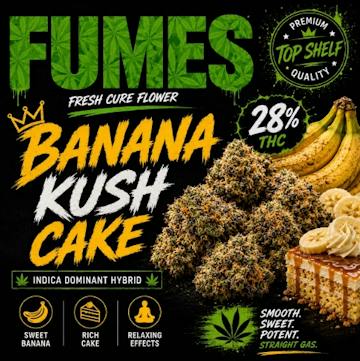
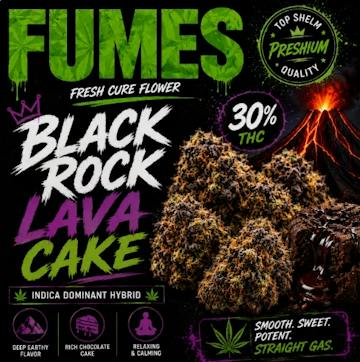
Hybrid simply means a strain carries genetics from both indica and sativa lineages. Some hybrids lean toward their indica parent, some lean toward their sativa parent, and some sit in the middle. When you see a strain called an indica-dominant hybrid or a sativa-dominant hybrid, that is the grower telling you which side of the family tree it favors.
In a modern dispensary, these three words work as a quick sorting system. They give you a fast way to narrow a large menu into a smaller set of choices before you look closer at the details of each strain. Think of them as the top level of a filing system, not the final answer.
Why the specific strain matters more than the label
The single word indica or sativa tells you less than the full profile of a specific strain. What people notice from cannabis is shaped by the mix of cannabinoids, such as THC and CBD, and by terpenes, the aromatic compounds that give each strain its distinct smell. This full chemical fingerprint is often called the chemovar, or chemical variety.
Terpenes are why one indica can smell like pine and earth while another smells like sweet berry. Common terpenes you will hear named include myrcene, limonene, caryophyllene, pinene, and linalool. These compounds are described mainly by their aroma, and two strains sharing the same indica label can have very different terpene makeups and very different characters.
Because of this, two indicas are not interchangeable, and neither are two sativas. A better habit is to read the strain name, the cannabinoid percentages on the label, and the listed terpenes, rather than stopping at the category alone. The label points you to a neighborhood, and the chemovar tells you which house you are walking into.
General tendencies people associate with each category
Many shoppers use loose rules of thumb when they scan a menu, and budtenders will often mention them. These are general associations that people talk about, not promises, and your own response can differ. Sativa and sativa-dominant strains are often chosen by people who want a daytime option. Indica and indica-dominant strains are frequently picked for evening or downtime. Hybrids are chosen when someone wants a balance between the two.
It is worth being clear that these are cultural shorthand built up over years of how strains were marketed and shared, not fixed biological facts. Researchers who study cannabis chemistry point out that the indica and sativa split does not reliably predict how a given strain will come across, which is exactly why the terpene and cannabinoid details matter.
So treat the category as a conversation starter. If a menu lists a sativa you are curious about, look at its THC and CBD numbers and its terpenes, and tell your budtender what kind of experience you are hoping for. That combination will steer you far better than the one word alone.
How to use the labels when you shop at One Green Leaf
One Green Leaf Dispensary carries flower, vapes and carts, edibles, pre-rolls, concentrates, and wellness items such as tinctures and topicals. Every category shows up on the live Dutchie menu, so you can filter by indica, sativa, or hybrid and then open a specific product to see its details before you decide.
A simple approach is to start with the category that fits your general plan, then narrow by format and by the numbers. Flower and pre-rolls give you the traditional experience, vapes and carts are compact and portable, edibles come measured by the piece, and concentrates are more potent formats for experienced shoppers. The format you pick changes how a product fits into your day just as much as the indica or sativa label does.
If you are new or returning after a break, tell the budtender that. You can shop in store, reserve ahead for pickup, or use the drive-thru, and a staff member can walk you through options either way. Bring a valid government photo ID, since you must be 21 or older to purchase, and no medical card is required.
Reading a menu and asking good questions
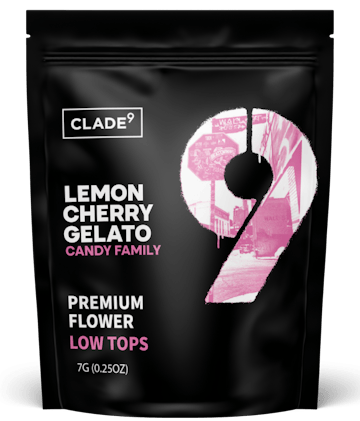
When you open a strain on the menu, three details do most of the work. First, the category, which is indica, sativa, or hybrid. Second, the cannabinoid content, usually shown as a THC percentage and sometimes a CBD percentage. Third, the terpenes, if they are listed, which describe the aroma and character of that specific batch.
Good questions for a budtender are concrete. Tell them the category you are leaning toward, the format you want, and roughly how strong you would like the experience to be. If you have tried something before, name it and say what you did or did not like about it. That gives the staff a real reference point instead of a guess.
The goal is to leave with a product matched to you, not just to a label on a shelf. The indica, sativa, and hybrid system is a helpful map, and the strain details plus a short conversation are how you find the right spot on it. One Green Leaf is open every day from 9 AM to 9 PM if you would rather work through it in person.
In New Jersey, adults 21 and older can legally purchase adult-use cannabis under the 2021 CREAMM Act.