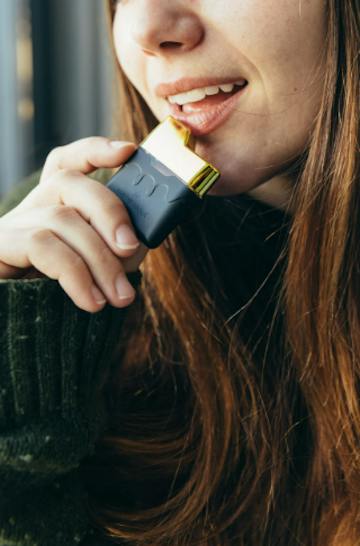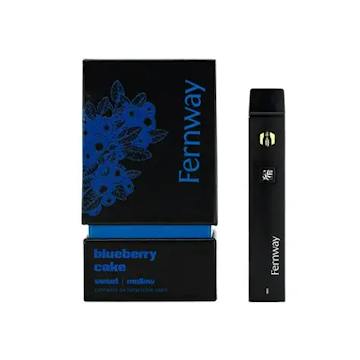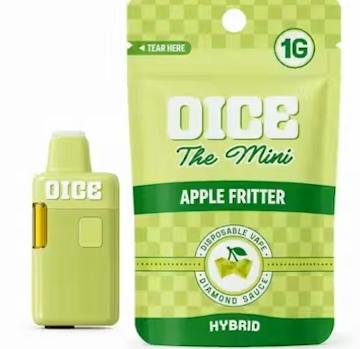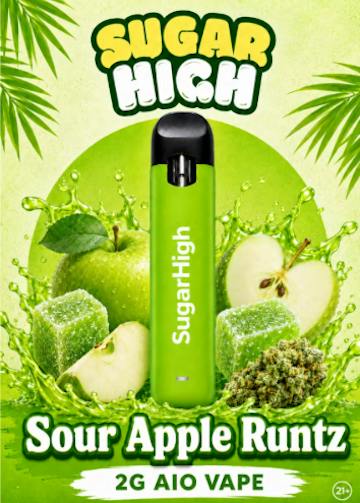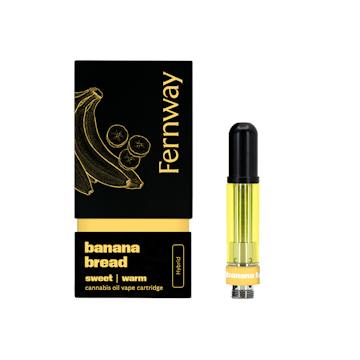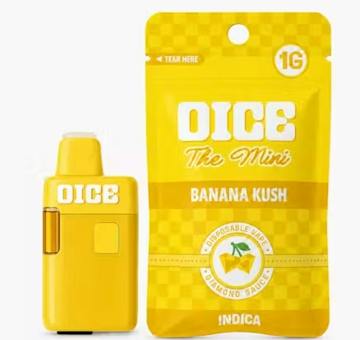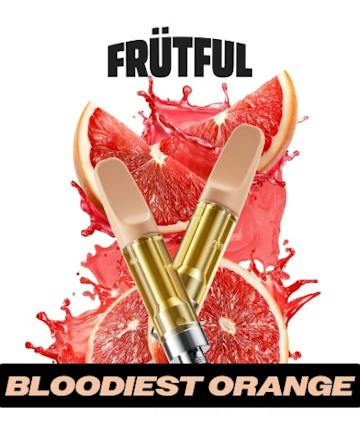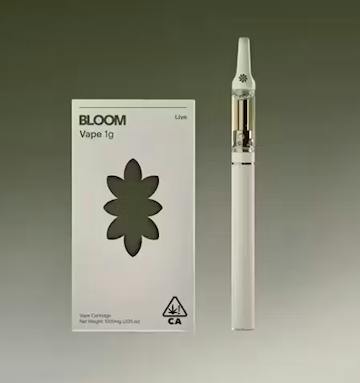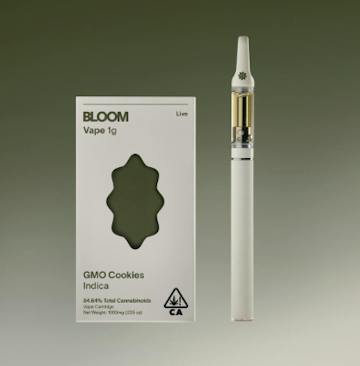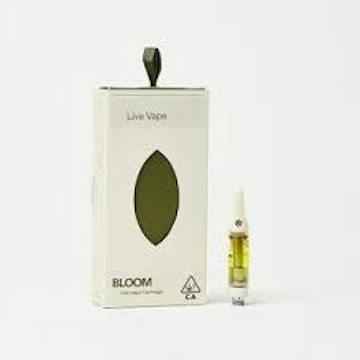
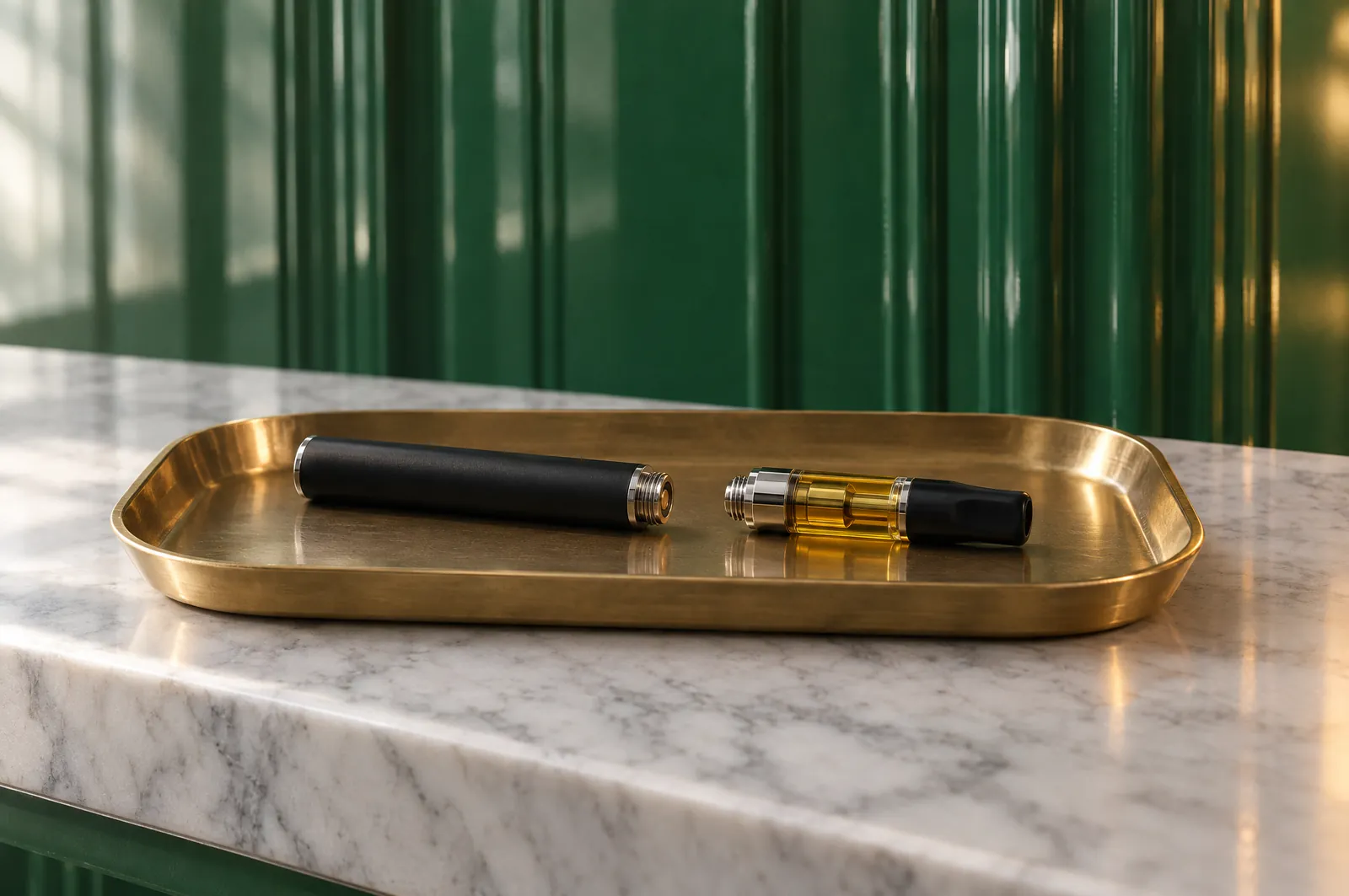
A vape pen has three basic parts: battery, cartridge, and mouthpiece
A typical cannabis vape pen combines a rechargeable battery, a cartridge (often called a cart) that holds cannabis oil, and a mouthpiece you inhale from. The battery sends power to a small heating element, called an atomizer or coil, inside the cartridge. That coil warms the oil just enough to turn it into vapor without burning it.
Two formats fill most New Jersey shelves. A reusable setup pairs a 510-threaded battery with a cartridge you buy separately and screw on. An all-in-one disposable arrives fully assembled, with the battery, oil, and coil sealed together in a single device you use until it is finished, then discard.
The number 510 refers to a near-universal threading standard, so most carts fit most batteries. At One Green Leaf in Gibbsboro, the vapes and carts category on the live Dutchie menu shows what is in stock, and staff can point out which items are disposables and which are cartridge-and-battery pairs.
Charge the battery before your first session
Most reusable batteries, and many rechargeable disposables, ship with only a partial charge, so plug in before you start. Connect the battery to its charger, which may be a USB or USB-C cable, a magnetic dock, or a threaded adapter, and watch the indicator light while it powers up.
A common pattern is a red or pulsing light while charging that switches to green or a steady light when the battery is full, though colors differ by brand, so check the packaging. Unplug the pen once it reaches a full charge instead of leaving it connected for hours, which is easier on the battery over time.
Rechargeable disposables include a charging port, usually USB-C on the base. Fully disposable, non-rechargeable units are meant to be used as they are until the oil runs out. If a new disposable feels weak on the first pull, a short charge often brings it back to full strength.
Attaching a 510 cartridge or starting a disposable takes only seconds
To assemble a cartridge-and-battery pen, line the cartridge up with the battery's 510 threads and turn it clockwise until it feels snug. Hand-tighten only. Screwing a cart on too hard can damage the connection or press too firmly on the center contact pin, which sometimes makes a cart misfire or leak.
A disposable needs even less setup. Take off any outer packaging, remove the mouthpiece cap and any small rubber plug at the base if one is present, and it is ready to use. Many disposables are draw-activated, with no buttons at all, so you simply inhale from the mouthpiece.
Before your first full pull, some people take one or two very gentle primer puffs, without pressing the button or on the lowest setting, to draw oil toward the coil. This step is optional, and it can help you avoid a dry or harsh first pull.
Draw technique and temperature settings shape every pull
Vape pens work best with a slow, steady draw rather than a hard, fast pull. Inhale gently for roughly one to three seconds, then stop. Pulling too fast or too forcefully can flood the coil, cause a gurgling sound, or draw oil up into the mouthpiece.
There are two activation styles. Draw-activated pens switch on by themselves when you inhale. Button-activated pens use a fire button that you hold down while drawing, and many of them power on and off with five quick clicks. Pressing the button about half a second before you inhale gives a smoother start.
Batteries with adjustable settings offer voltage or temperature levels, often shown as color bands such as low, medium, and high. Lower settings make cooler, thinner vapor and tend to use less oil, while higher settings make warmer, thicker, more visible vapor. Starting low and stepping up helps you find a comfortable setting without scorching the oil. If a product is new to you, one small pull followed by a short wait is a common way to gauge it before taking more.
Storage and simple maintenance keep a cartridge working
Store cartridges and pens upright in a cool, dry place, out of direct sunlight and away from heat sources. Warmth can thin the oil and encourage leaks, while a stable room temperature keeps it in good shape. Very cold storage can thicken the oil and make draws harder until the cart warms up again.
If a cartridge connects but will not fire, the metal contact points may have picked up residue. Gently wipe the contacts on both the battery and the cartridge with a dry cotton swab, or one lightly dampened with isopropyl alcohol, let everything dry, then reattach. Keeping the mouthpiece capped between sessions keeps out dust and lint.
Clogs are common. Warming the cartridge briefly in your hand and taking a slow, gentle pull with the pen held upright will often clear it. Avoid blowing back into the mouthpiece, since that can push oil down into the airway and make a clog worse.
Knowing when a cartridge is empty or spent
A cartridge is running low when the oil window looks nearly empty, your draws produce little or no vapor, and the flavor starts to taste harsh or burnt. A burnt taste can also mean the coil is worn out, or that your heat setting is too high for the small amount of oil left.
Once a cartridge is empty, replace it rather than trying to force out the last traces, since dry pulls on a bare coil taste unpleasant. A reusable battery can go right back to work with a fresh 510 cartridge, while a spent all-in-one disposable is discarded as a whole unit.
Because vape hardware contains a lithium battery, follow local guidance for battery or electronic-waste disposal where you can, rather than the household trash. When you are ready for a replacement, the vapes and carts selection on One Green Leaf's live Dutchie menu shows current options, and you can shop in store, use the drive-thru, or reserve ahead for pickup.
New Jersey permits regulated adult-use cannabis sales to adults 21 and older at licensed dispensaries under the state's Cannabis Regulatory, Enforcement Assistance, and Marketplace Modernization Act.