THCA is the acid form, THC is what heat leaves behind
THCA, or tetrahydrocannabinolic acid, is the compound that living and freshly harvested cannabis actually produces. It carries an extra carboxyl group on the molecule, and that structural difference is why it is not intoxicating on its own. Delta-9 THC is what remains after that carboxyl group breaks away as carbon dioxide, a reaction chemists call decarboxylation.
Heat drives the reaction. Combustion in a joint or a bowl, the coil in a vaporizer, and the oven step a manufacturer runs before infusing an edible all convert a large share of THCA into delta-9 THC. Time, light and warm storage cause a slower version of the same conversion, which is why cured flower already contains a small amount of delta-9 THC before you do anything with it.
This article stays on the label side of the subject. For a fuller account of the compound itself, how it forms in the plant and what happens to it chemically, see our separate guide to what THCA is.
Lab reports list THCA and delta-9 THC as separate lines
Products sold by licensed New Jersey dispensaries carry cannabinoid results from a permitted testing laboratory, and those results are what both the package label and the online menu listing draw from. The lab measures each cannabinoid individually rather than lumping them together, so THCA and delta-9 THC show up as two distinct rows on a certificate of analysis.
Raw flower usually shows a large THCA figure and a much smaller delta-9 THC figure, because the sample was tested in the state it was harvested and cured in. Nothing has heated it yet. The delta-9 present is mostly the product of slow conversion during drying and storage.
Products that are heated during manufacturing invert that pattern. Distillate vape oil and most edibles are decarboxylated before packaging, so their labels tend to lead with delta-9 THC and show little or no remaining THCA. Reading the two lines together tells you roughly where the product sits in that process.
Total THC is calculated, not measured
The third number on many labels, total THC, is not something a lab instrument reads directly. It is arithmetic applied to the two measured values. The standard formula multiplies the THCA result by 0.877 and adds the delta-9 THC result. The 0.877 exists because the carboxyl group has mass, and that mass leaves as carbon dioxide during decarboxylation, so a gram of THCA cannot become a full gram of THC.
The same factor appears in federal hemp testing rules, which is a large part of why laboratories, regulators and menu systems across states converged on it. Different labs and different state programs sometimes present the result under slightly different headings, such as total THC, THC max, or total active THC, but the underlying calculation is generally the same.
One consequence is worth carrying with you: the formula assumes complete conversion. Real-world heating is never perfect, so the delta-9 THC actually produced is typically lower than the calculated total. Treat total THC as a ceiling estimate for cross-product comparison, not a measurement, and not a score of quality.
New Jersey menus show these numbers differently by category
On the One Green Leaf menu, which is a live Dutchie feed updated in real time, each product page carries the cannabinoid figures supplied with that batch. Some listings display THCA, delta-9 THC and total THC. Others surface only a total THC value or a range, depending on how the brand submitted the data and how the category is structured.
The unit changes with the category as well. Flower, pre-rolls and concentrates are typically labeled as a percentage of weight. Edibles, tinctures and other measured-dose products are labeled in milligrams per serving and milligrams per package. A percentage and a milligram figure are not interchangeable, and comparing them side by side gives you no useful answer.
Because inventory turns over constantly, the numbers attached to any given product change from batch to batch. That is why we point you to the live menu rather than quoting figures here. If a listing is unclear, the staff at the Gibbsboro counter can walk you through the label, and the same information travels with the product whether you shop in store, use the drive-thru, or reserve ahead for pickup.
The same label reads differently depending on format
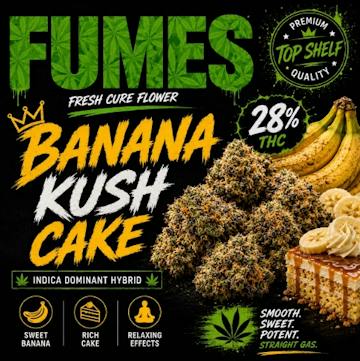
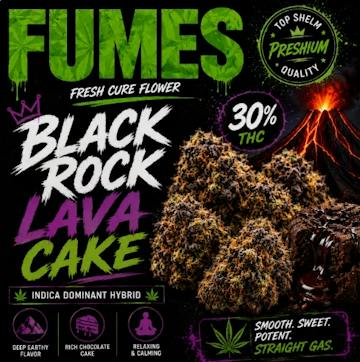
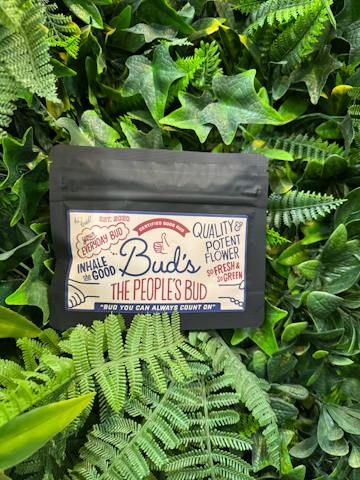
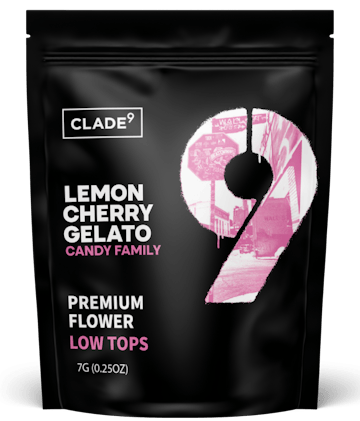
Flower and pre-rolls arrive as raw plant material. Their labels are THCA-dominant, the aroma comes from terpenes rather than from any cannabinoid figure, and the conversion to delta-9 THC happens at the moment you apply heat. For these formats, the THCA line is the number doing the real work, and the total THC line is the estimate of what heating might yield.
Edibles and tinctures are the opposite case. The manufacturer already decarboxylated the input material, so the label reports delta-9 THC in milligrams and the conversion step is behind you. Vapes sit in between: distillate cartridges generally read as delta-9 dominant, while some live-resin and cold-processed extracts retain a meaningful THCA fraction. Concentrates vary the most, ranging in texture from soft budder to loose sauce to pressed rosin, and cold-processed versions can keep a strongly THCA-dominant profile.
Practically, that means a label tells you where a product is in its life cycle as much as it tells you what is in it. Compare within a format first. Comparing a flower percentage to an edible milligram figure to a concentrate percentage produces a number salad rather than a decision.
Which number to focus on when you shop
If you are buying flower, pre-rolls or a cold-processed concentrate that you will heat yourself, the THCA line is the meaningful measured value and total THC is the projection. If you are buying an edible, a tincture or a distillate cartridge, the delta-9 THC figure, expressed in milligrams per serving for measured-dose products, is the operative number because the conversion already happened. Total THC is most useful as a rough way to line up similar products in the same category.
None of these figures describe cultivar, aroma, terpene profile, freshness, extraction method or format, and those are the attributes many shoppers end up choosing on. A reasonable order is to start with how you want to consume, narrow to a format, then read the label to understand what you are holding rather than to rank options by a single number.
One Green Leaf is a licensed adult-use dispensary in Gibbsboro, New Jersey, in Camden County, roughly 30 minutes from Philadelphia, operating under NJ CRC license RE000846. Shoppers must be 21 or older with a valid government photo ID, and no medical card is required. The store is open every day from 9 AM to 9 PM, with in-store shopping, drive-thru pickup and reserve-ahead pickup. Check the live menu for current flower, vapes and carts, edibles, pre-rolls, concentrates and wellness products, and bring your label questions to the counter.
The widely used total THC formula, delta-9 THC plus 0.877 multiplied by THCA, appears in federal hemp testing rules, where the 0.877 factor reflects the molecular weight lost when the carboxyl group leaves during decarboxylation.