THCA is the acid form of THC found in raw cannabis
Cannabis plants do not produce THC directly. As the flower grows, it builds up cannabinoids in their acidic forms, and the most abundant one in high-THC cultivars is tetrahydrocannabinolic acid, or THCA. If you tested fresh, uncured flower, most of what registers as THC-related content would actually be THCA, not the delta-9 THC people associate with feeling high.
The difference between the two molecules is small but important. THCA carries an extra carboxyl group, a small cluster of carbon, oxygen, and hydrogen atoms attached to its structure. That group changes the molecule's shape enough that THCA does not bind efficiently to the CB1 receptors in the brain, which is the accepted reason raw THCA is non-intoxicating. Eating a pinch of raw flower would not produce the effects of smoking it.
So the form of cannabis matters as much as the number on the label. The THCA sitting in a jar of flower is a precursor. It represents potential THC, waiting for the one thing that turns it into the active compound, which is heat.
Heat converts THCA into THC through decarboxylation
The reaction that turns THCA into THC is called decarboxylation. When THCA is exposed to enough heat, it loses its carboxyl group, which leaves the molecule as carbon dioxide. What remains is delta-9 THC, the intoxicating form. This is the invisible step behind every common method of using cannabis for its effects.
Different methods trigger decarboxylation at different speeds. Lighting a bowl or a pre-roll converts THCA almost instantly at combustion temperatures. A vaporizer converts it as it heats the flower or concentrate. Making edibles depends on it too, which is why recipes call for baking the cannabis before it goes into butter or oil. Without that heating step, an edible made from raw flower would contain mostly THCA and little active THC.
Heat and time also work slowly on their own. Researchers who studied the reaction found that THCA converts to THC faster at higher temperatures, and that gradual conversion continues as cannabis ages in light and warmth. That slow drift is one reason well cured and properly stored flower tends to hold its labeled potency better than flower left exposed to air and sunlight.
Cannabis labels list both THCA and total THC for a reason
Because raw flower is mostly THCA, a lab test of that flower reports a large THCA percentage and only a small amount of already-formed delta-9 THC. If a label listed just the delta-9 number, it would understate how strong the flower becomes once you light it. To solve that, labs and regulators report a combined figure called total THC.
Total THC uses a standard formula: total THC equals delta-9 THC plus THCA multiplied by 0.877. The 0.877 factor exists because a THCA molecule weighs more than a THC molecule, so it cannot convert one to one. When the carboxyl group leaves during heating, the molecule sheds roughly 12 percent of its mass as carbon dioxide, and the formula accounts for that loss so the total reflects the THC you can actually get.
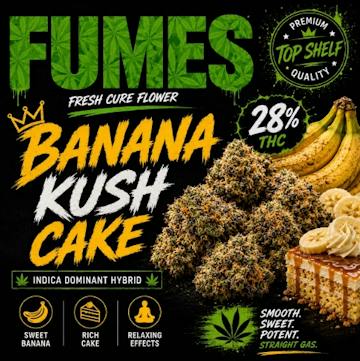
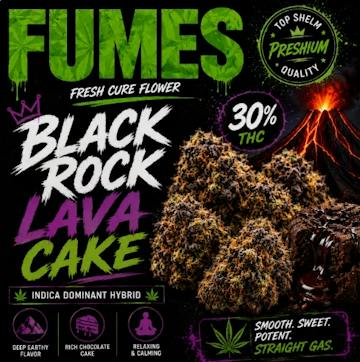
This is also why a THCA percentage on its own can look larger than the effect it delivers. A flower listed at 27 percent THCA does not provide 27 percent THC. After the math, its total THC lands closer to 24 percent. Reading both numbers, and knowing which one reflects real potency, keeps the marketing in perspective.
Reading potency starts with the total THC number
When you compare flower or pre-rolls, total THC is the figure that tells you what to expect after heat does its work. It already folds in the THCA conversion, so two products are easier to compare when you line up their total THC rather than their raw THCA. For anything you will smoke or vaporize, that combined number is the practical measure of strength.
Potency is only part of what shapes an experience, though. The specific cultivar, its terpene profile, the format you choose, and your own tolerance all influence how a product feels. Two flowers with identical total THC can be described very differently by the people who use them, from more uplifting and social to better suited for a quiet evening at home. Those descriptions are general associations that people report, not guarantees.
A sensible approach is to treat the number as a starting point rather than a ranking. Newer shoppers often start lower and adjust over time, while experienced consumers may look for higher totals or specific formats. Whatever you choose, the total THC printed on the package and shown on the menu is the honest baseline for comparison.
THCA shows up differently across product formats
Flower and pre-rolls are the clearest example of THCA at work. The jar holds mostly THCA, and the conversion to THC happens the moment you light or heat it. That is why flower labels lean on THCA and total THC to describe strength before any of it has been activated.
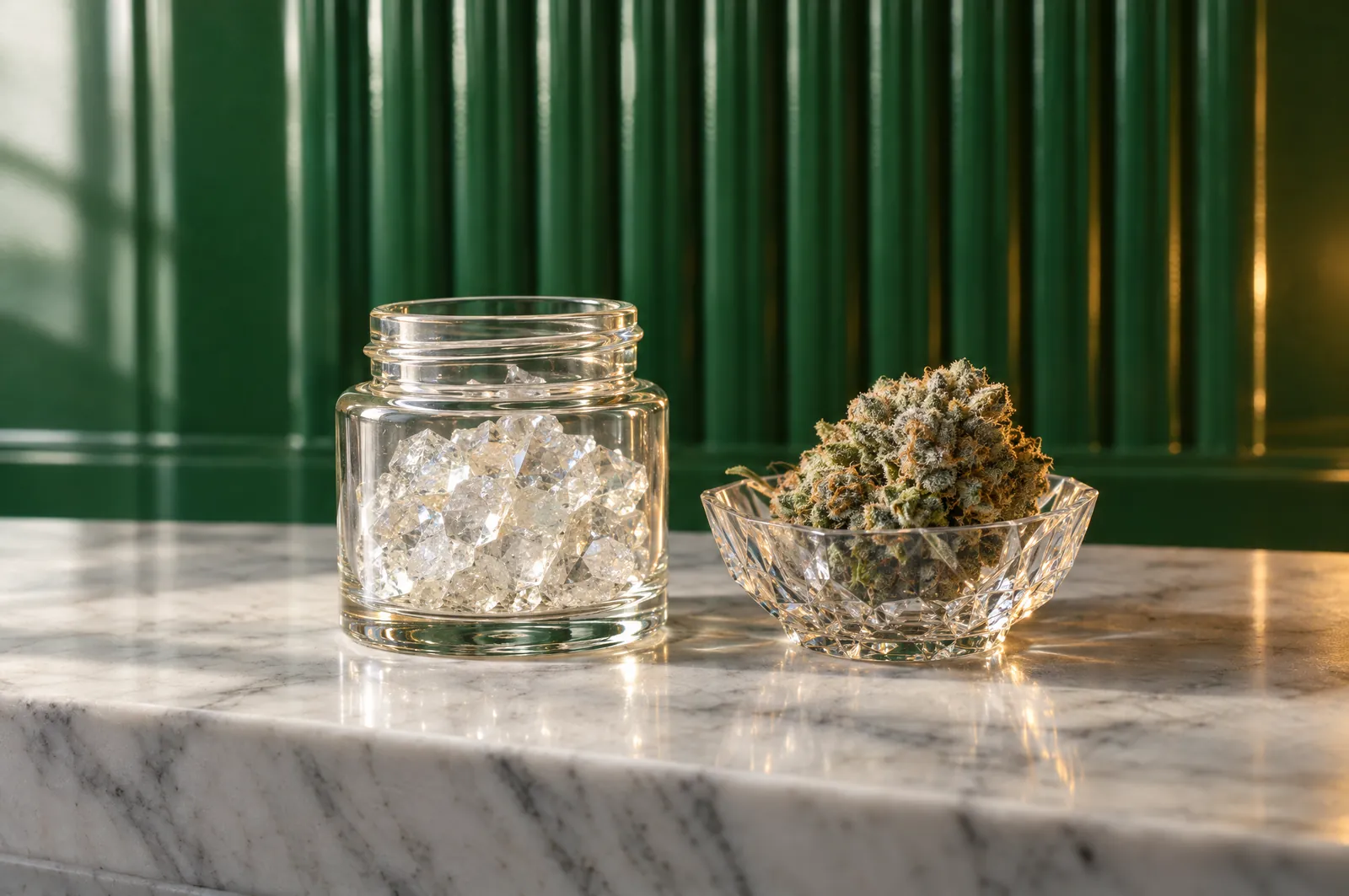
Concentrates can take THCA to an extreme. Some extracts, sometimes sold as THCA diamonds or crystalline, are close to pure THCA in solid form, and they convert to THC when vaporized or dabbed at high heat. Vape cartridges, by contrast, usually contain oil that has already been processed, so their labels tend to report active THC directly.
Edibles, tinctures, and other formats are usually labeled in milligrams of active THC rather than a THCA percentage, because the cannabis was already decarboxylated during manufacturing. When you shop across categories at One Green Leaf, that is why a flower label and an edible label speak in different units. One is describing potential THC still locked in the plant, and the other is describing THC that is already active.
How to shop potency at One Green Leaf in Gibbsboro
One Green Leaf is a licensed adult-use cannabis dispensary in Gibbsboro, New Jersey, in Camden County and about 30 minutes from Philadelphia. The live Dutchie menu lists current products with their lab-tested potency and updates in real time, so you can compare potency figures before you decide. Because stock and numbers change, the menu is the place to check, rather than any fixed figure quoted elsewhere.
You can shop whichever way suits you: browse and buy in store, pull up to the drive-thru, or reserve an order ahead of time for pickup. You must be 21 or older, and you do not need a medical card, but you do need a valid government-issued photo ID. The dispensary operates under New Jersey CRC license RE000846 and is open every day from 9 AM to 9 PM.
If a label leaves you unsure whether you are looking at THCA, delta-9 THC, or total THC, the team on the floor can walk you through it. Regular shoppers can also join High Society Rewards, the free loyalty program that is tiered by points, where members redeem $3 to $5 off per reward increment as they move up through the Lifted, Higher, and Cloud Nine tiers. Understanding THCA comes down to reading one number correctly, and from there the rest of the label makes sense.
A study of acidic cannabinoids found that THCA converts to THC through heat-driven decarboxylation, with the reaction running faster at higher temperatures.