Hash Is Pressed Trichome Resin, Not a Solvent Made Extract
Cannabis flower is covered in trichomes, tiny stalked glands that hold most of the plant's cannabinoids and terpenes. Hash making is the act of knocking those glands loose from the leaf and stem material they sit on, gathering them, and pressing the collected resin into a mass. The plant matter is left behind. What remains is a concentrated form of the same resin that was already on the flower.
This makes hash a mechanical concentrate rather than a chemical one. Live resin, distillate, and most vape cartridge oil are made by running cannabis through a solvent such as butane, propane, or CO2 in a licensed processing facility. Hash uses screens, agitation, cold water, hands, or pressure instead. Both routes end up in the same dispensary category, but the production method is genuinely different.
That distinction matters when you are reading a menu. Some shoppers specifically look for solventless products, and hash and hash rosin are the traditional answer to that preference. The product listing or packaging will usually state the extraction method directly.
Dry Sift and Hand Rubbed Charas Are Among the Oldest Methods
Dry sift, sometimes called kief or dry sieve hash, is made by tumbling or shaking dried cannabis over a series of mesh screens. The trichome heads break off and fall through, while larger plant fragments stay above. Running the material through progressively finer screens produces cleaner grades. The resulting powder can be sold loose or pressed into a slab or coin shaped puck.
Charas is the hand rubbed method associated with the Indian subcontinent and parts of the Himalayas. Live, uncured plants are rubbed between the palms until resin accumulates on the skin, and that resin is then rolled into balls or sticks. It is labor intensive and traditionally made outside any regulated market, so charas is a historical reference point rather than something you should expect on a New Jersey dispensary menu.
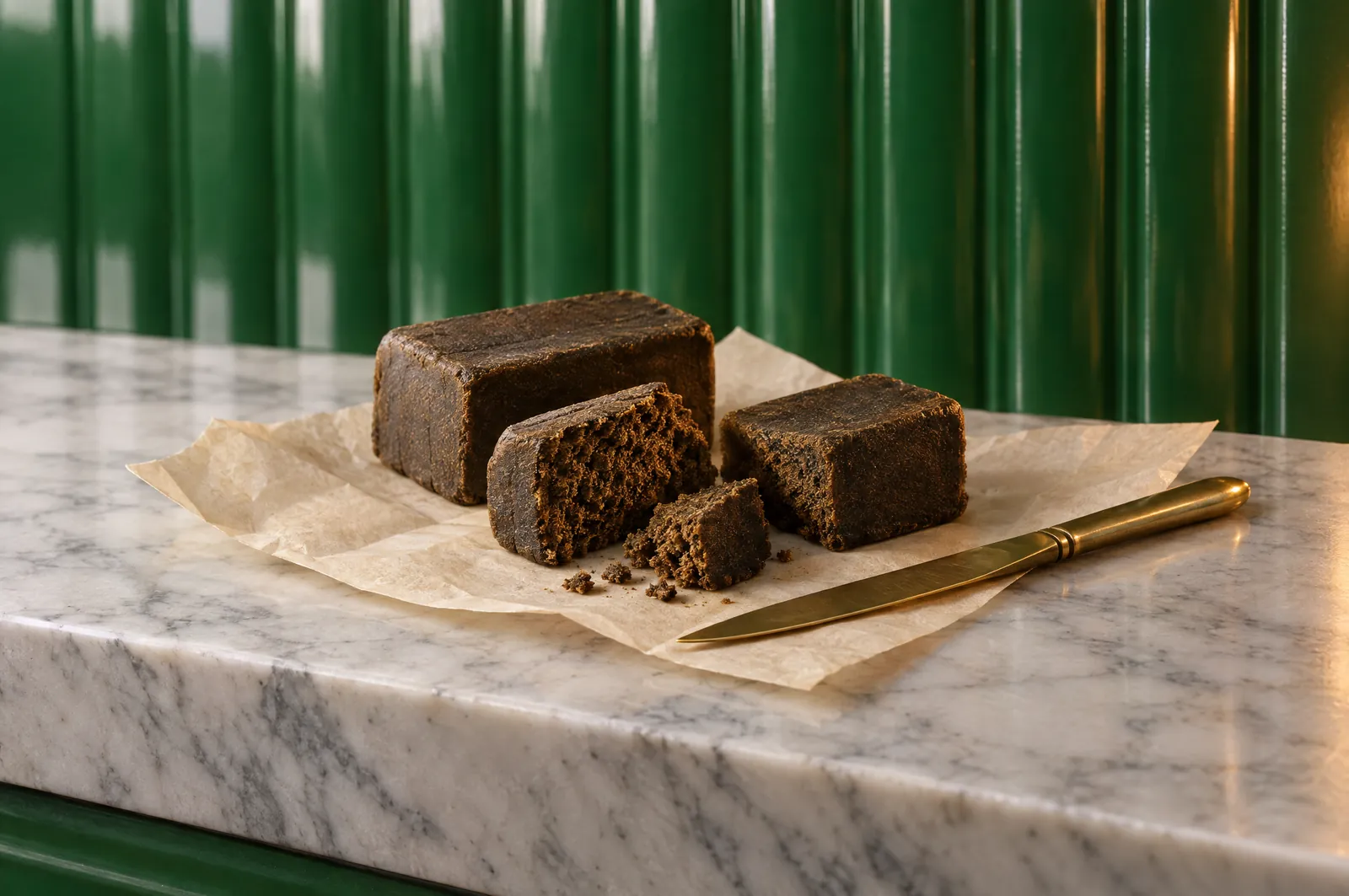
Traditional Moroccan and Lebanese hash production also relies on sifting, followed by pressing the powder into blocks with heat and force. Terms like blonde hash or Moroccan style on a modern menu are usually describing that pressed sift format and its color, not a certified place of origin.
Ice Water Hash Uses Cold Water and Stacked Mesh Bags
Ice water hash, commonly called bubble hash, is the modern workhorse method. Cannabis is agitated in a vessel of ice and water, which makes the trichome heads brittle so they snap off. The slurry is then poured through a stack of mesh bags with descending micron ratings, and each bag catches resin heads in a different size range. The collected material is dried carefully before packaging.
Producers usually label ice water hash by micron range, with numbers such as 73u or 90u appearing on jars. Those figures describe the size of the mesh openings that captured the resin, not a quality rating on their own. Producers and growers often describe the middle ranges as desirable because they tend to capture a high proportion of intact trichome heads, though the source flower matters at least as much as the screen size.
Fresh frozen ice water hash starts from plants frozen immediately after harvest rather than dried and cured. Producers often describe this as preserving a wider terpene profile. Treat aroma descriptions on any menu as flavor and scent notes, not as claims about what a product will do for you.
Texture and Grade Describe How Clean the Separation Was
Hash appears in a wide range of consistencies. Pressed sift can be a firm brick that needs to be warmed slightly before it breaks apart. Ice water hash is often sold as loose granules that look like coarse sand, and higher grades may be described as full melt because they liquefy almost completely when heated. Rosin pressed from hash can be buttery, waxy, or almost taffy like.
Color runs from pale blonde through amber to dark brown and near black. Lighter shades usually indicate less residual plant material, while darker product may reflect more contamination, oxidation over time, or simply a traditional pressing style. Color alone is not a reliable quality signal, which is why producers publish micron ranges and process details.
Aroma is the other common descriptor. Sift and pressed hash often carry earthy, spicy, or resinous notes, while fresh frozen ice water hash tends to smell closer to the living plant. These are sensory attributes, and different shoppers prefer different ones.
How Hash Is Typically Used Depends on Its Consistency
Pliable hash is frequently broken into small pieces and placed on top of a bowl of flower, or crumbled along the length of a joint before rolling. Firmer pressed hash is often warmed briefly so it separates cleanly. Loose ice water hash and full melt grades are sometimes vaporized at lower temperatures instead of combusted. The product packaging is the best guide to the format a specific item was made for.
Concentrates contain far more resin by weight than flower does, so the amount used is much smaller. If you have only used flower before, start with a very small quantity, wait, and assess before adding more. That is general consumption guidance for any concentrate, not a recommendation for any purpose.
Formats vary, and so does what is available at any given time. If you are unsure what a specific product was made for, read the full listing on the live Dutchie menu or ask a staff member at the Gibbsboro store before you buy.
Where Hash and Hash Rosin Appear in a Dispensary Menu
On the One Green Leaf menu, hash sits in the concentrates category, which can also include products such as rosin, live resin, badder, and sugar depending on what is in stock. Product names often combine the strain, the production method, and a micron range or press description, so reading the full listing tells you most of what you need to know about how an item was made.
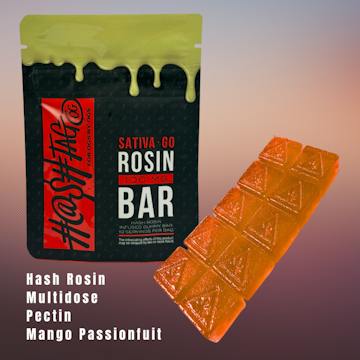
Hash rosin is the most common hash derived product on modern menus. It is made by applying heat and pressure to ice water hash, which squeezes the resin out and leaves the trichome membranes behind. Because it begins as hash, its character is closely tied to the quality of the starting material. Flower rosin, by contrast, is pressed directly from buds.
Inventory in the concentrates category changes constantly, so the live Dutchie menu is the only accurate source for what is available right now. One Green Leaf is open every day from 9 AM to 9 PM in Gibbsboro, about 30 minutes from Philadelphia, and you can shop in store, use the drive thru, or reserve ahead for pickup.
New Jersey permits adults 21 and older to purchase cannabis products, including concentrates, from licensed adult use retailers, with no medical registration required.