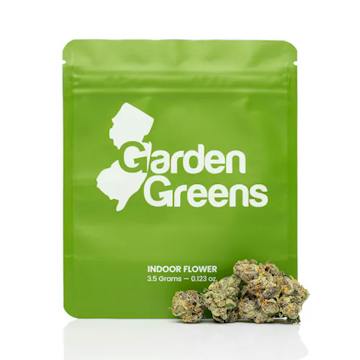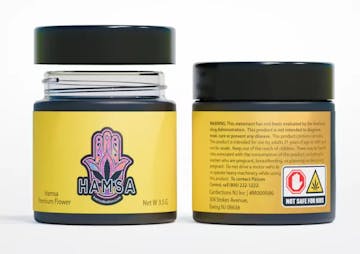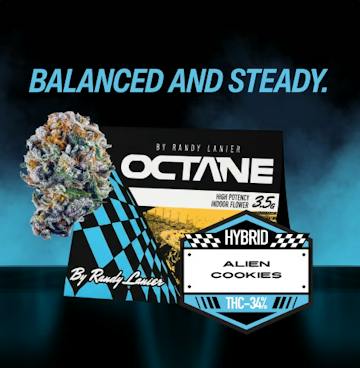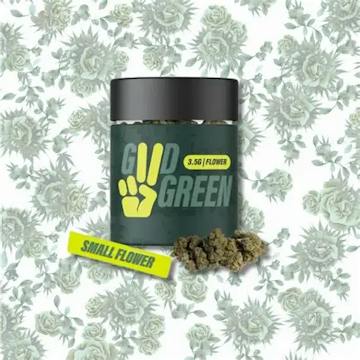
Cannabis flower is the plant's dried, cured bud
Cannabis flower refers to the harvested, dried, and cured buds of the female cannabis plant. Female plants that are kept away from pollen produce dense, seedless flowers, sometimes called sinsemilla, and these are the buds you see on a dispensary shelf. The rest of the plant, such as leaves and stems, holds far less of what most shoppers are after.
Each bud is coated in trichomes, the frosty, crystal-like resin glands that hold most of the plant's cannabinoids, including THC and CBD, along with its terpenes. That resin is why quality flower looks frosted and smells strong. When you grind a bud, you are breaking open those glands so the material burns or vaporizes more evenly.
After harvest, growers dry the flower and then cure it, storing it in controlled humidity for a period of weeks. A careful cure preserves aroma and makes the smoke smoother, which is a big part of what separates premium flower from rushed product. Because it is the least processed format, flower stays the most versatile: you can roll it, pack a bowl or pipe, or load a dry-herb vaporizer.
Strain type and cannabinoid profile shape what to expect
Most flower on a menu is labeled indica, sativa, or hybrid, along with a strain name like Blue Dream or Wedding Cake. Treat those three labels as cultural shorthand rather than fixed rules. Indica-labeled cultivars are often chosen for evening downtime, sativa-labeled ones are commonly described as more uplifting and associated with daytime or social settings, and hybrids fall somewhere in between.
Researchers who study cannabis chemistry point out that the indica and sativa split is a weak predictor of how a given batch will come across. What tends to matter more is the chemovar, meaning the specific mix of cannabinoids and terpenes in that particular harvest. The two cannabinoid figures you will see most often are THC, the compound behind the classic intoxicating effect, and CBD, which is non-intoxicating.
When you are choosing, read the strain type as a loose starting point and then look at the actual numbers and aromas. If you want a deeper breakdown of the labels, see our article on indica vs sativa vs hybrid, and for how aroma ties into the experience, see our overview of terpenes.
Quality shows in trichomes, color, aroma, and cure
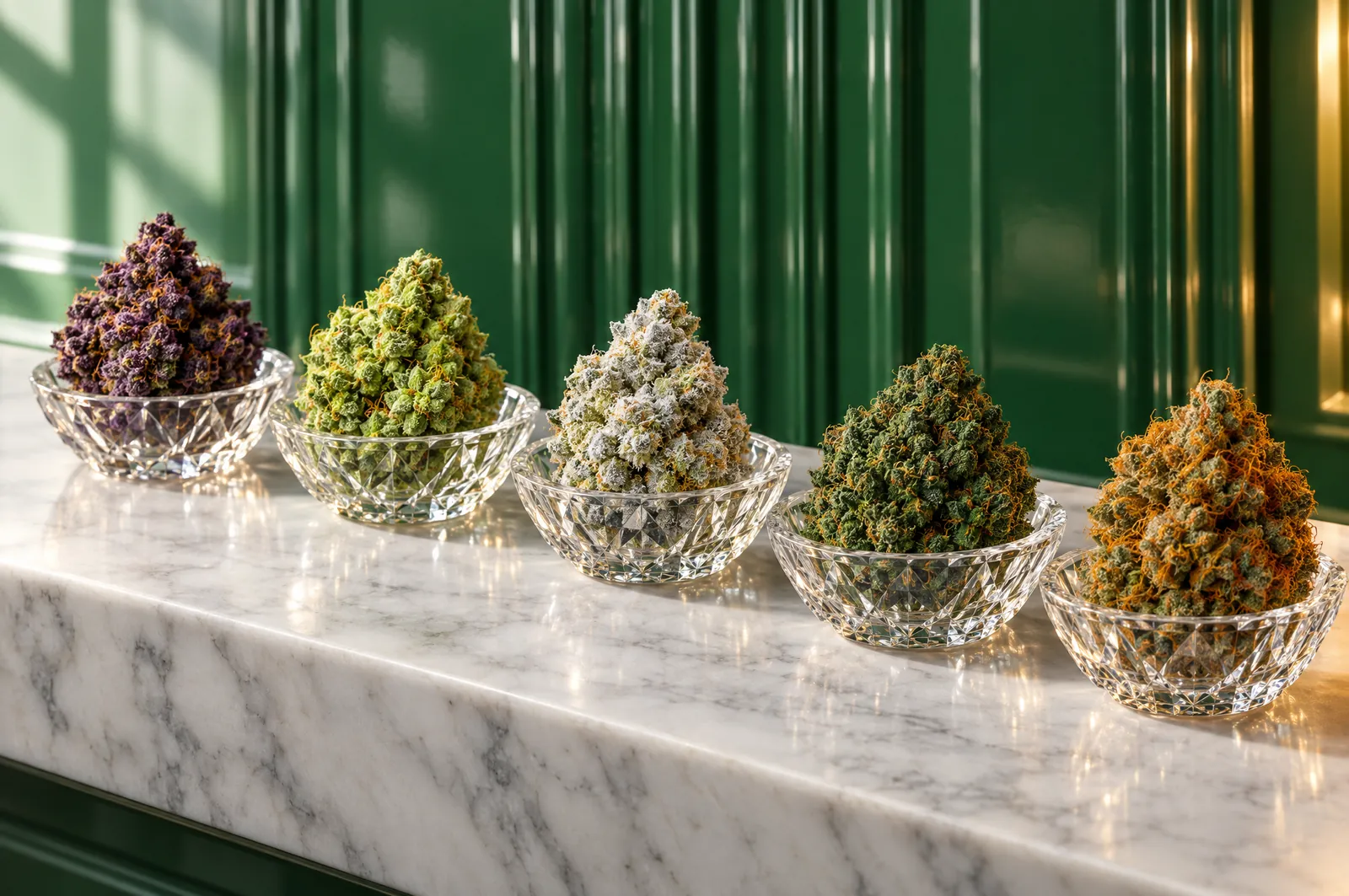
Once you have flower in hand, a few visual and sensory signs point to quality. Look at the trichomes: under good light, mature resin glands usually look cloudy or milky, sometimes turning amber, rather than fully clear and glassy. Heavy, frosty trichome coverage is a sign of a resin-rich bud. Color should read as a healthy green, sometimes with purple tones or orange pistils, the little hairs on the bud, while widespread brown or yellow can signal age or rough handling.
Aroma is one of the most reliable cues. Fresh, well-cured flower tends to smell strong and distinct, whether that reads as citrus, pine, diesel, or sweet. A flat, grassy, or hay-like smell often points to an older or poorly cured batch. Moisture matters too: buds should feel slightly springy and break apart cleanly, not crumble into dust and not feel damp or spongy, since overly wet flower carries a mold risk.
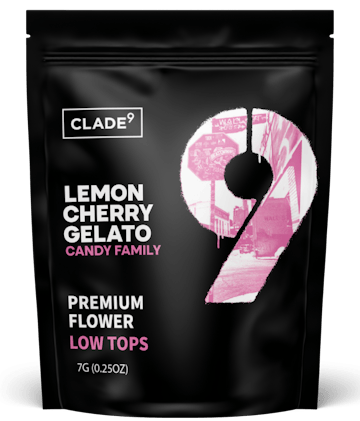
In a New Jersey dispensary, flower comes pre-packaged, so you usually will not open and handle it before buying. That makes the label, the packaging or harvest date, product photos, and the budtender your main tools. It is fair to ask staff how recently a batch arrived and which options are freshest, and to compare notes against the descriptions on the live menu.
THC percentage is one signal, not the whole story
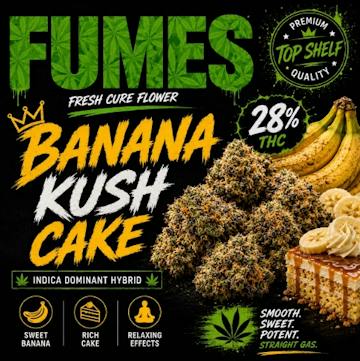
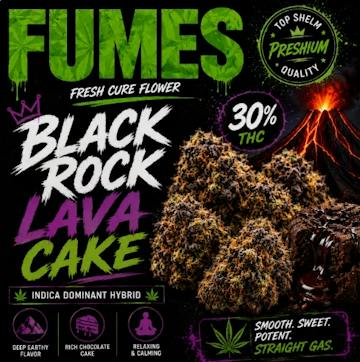
The THC percentage on a flower label tells you potency by dry weight, and it comes from lab testing that New Jersey requires before any product reaches the shelf. Adult-use flower commonly tests somewhere around 15 to 30 percent THC, though some cultivars land lower or higher. The label will usually also show CBD and total cannabinoid content.
A higher number is not automatically a better buy. How a given flower comes across depends on your own tolerance and experience, how much you use, and the full terpene and cannabinoid mix, not the headline THC figure alone. Shoppers who are newer to cannabis often choose lower-THC options and go slowly, while more experienced buyers may look for specific strains or terpene profiles they already like.
Terpenes are the aromatic compounds, such as myrcene, limonene, caryophyllene, pinene, and linalool, that give each strain its smell and flavor. Some products list terpene percentages on the label or Certificate of Analysis. Researchers continue to study whether terpenes meaningfully shape the experience alongside cannabinoids, an idea often called the entourage effect, so treat it as an area of active study rather than a settled fact.
Whole flower, pre-ground, and pre-rolls each suit different shoppers
Flower is sold in a few formats. Whole flower, or whole buds, are intact nugs you grind yourself. This is the freshest option and the one that lets you see full bud structure and trichome coverage. Pre-ground flower, sometimes sold as shake, is already broken down, which is convenient and occasionally lower in cost, but it oxidizes faster and hides what the original buds looked like.
Pre-rolls are joints that are already rolled and ready to use, often made from ground flower or shake, so they skip the grinding and rolling step entirely. They are a common pick for convenience or for trying a strain in a smaller amount. One Green Leaf carries flower and pre-rolls alongside related categories like vapes, edibles, concentrates, and wellness products, all on the same live menu.
Flower is usually priced by weight, in standard sizes: the gram, the eighth at 3.5 grams, the quarter at 7 grams, the half at 14 grams, and the ounce at 28 grams. New Jersey caps adult-use purchases at one ounce of flower per transaction, so plan larger buys around that limit. Buying a smaller size first is a low-commitment way to test a new strain before committing to more.
Shopping One Green Leaf flower starts with the live Dutchie menu
At One Green Leaf, the flower selection lives on a Dutchie menu that updates in real time, so what you see is what is actually in stock. You can browse the flower category and sort or filter by strain type, THC content, size, brand, and price, which makes it easy to line up options against the quality cues above before you ever walk in. Because stock and pricing change, always check the live menu rather than relying on a fixed list.
One Green Leaf gives you several ways to buy the same flower: shop in person, use the drive-thru for pickup, or reserve ahead online for pickup. The dispensary is in Gibbsboro, in Camden County, South Jersey, about 30 minutes from Philadelphia, and it is open every day from 9 AM to 9 PM. You must be 21 or older with a valid government photo ID, and no medical card is required.
If you shop often, the free High Society Rewards program is tiered by points, and members redeem $3 to $5 off per reward increment as they move up through the Lifted, Higher, and Cloud Nine tiers. When you are unsure which bud to pick, the budtenders can walk you through fresh arrivals and strain options in person or over the phone. Start with the live menu, note a few strains that fit what you are looking for, and go from there.
New Jersey requires all adult-use cannabis, including flower, to be tested by a licensed laboratory before retail sale, which is where the THC and cannabinoid percentages printed on a product label come from.